Electric hydraulic valves are electronically controlled valves that regulate the flow of hydraulic fluid to an actuator. They are used to operate strong hydraulic cylinders using a microscopic electrical signal. The valves have good post-movement damping properties and offer precise control of location, velocity, pressure, and force. Read More…
We are dedicated to providing our customers with the highest quality hydraulic valves available in the industry! Our research and development departments are dedicated to working around the clock in order to keep our products on the leading edge of technological innovations at all times because we know that you rely on the most advanced products in the market! To learn more visit our website...

At Hyseco, Inc., we specialize in hydraulic systems, and our hydraulic valves are at the heart of what we do. We design and manufacture valves that provide reliable flow control, pressure regulation, and directional control for a wide range of industrial and mobile applications.

Hader Industries, Inc. offers a variety of pumps, motors, valves, cylinders. We're your one stop for after market hydraulic services. We also offer machining, re-chroming, honing, fabrication, and many other services. Outstanding customer service is our goal, we're here to provide solutions for your needs. Call or visit our website today for more information.

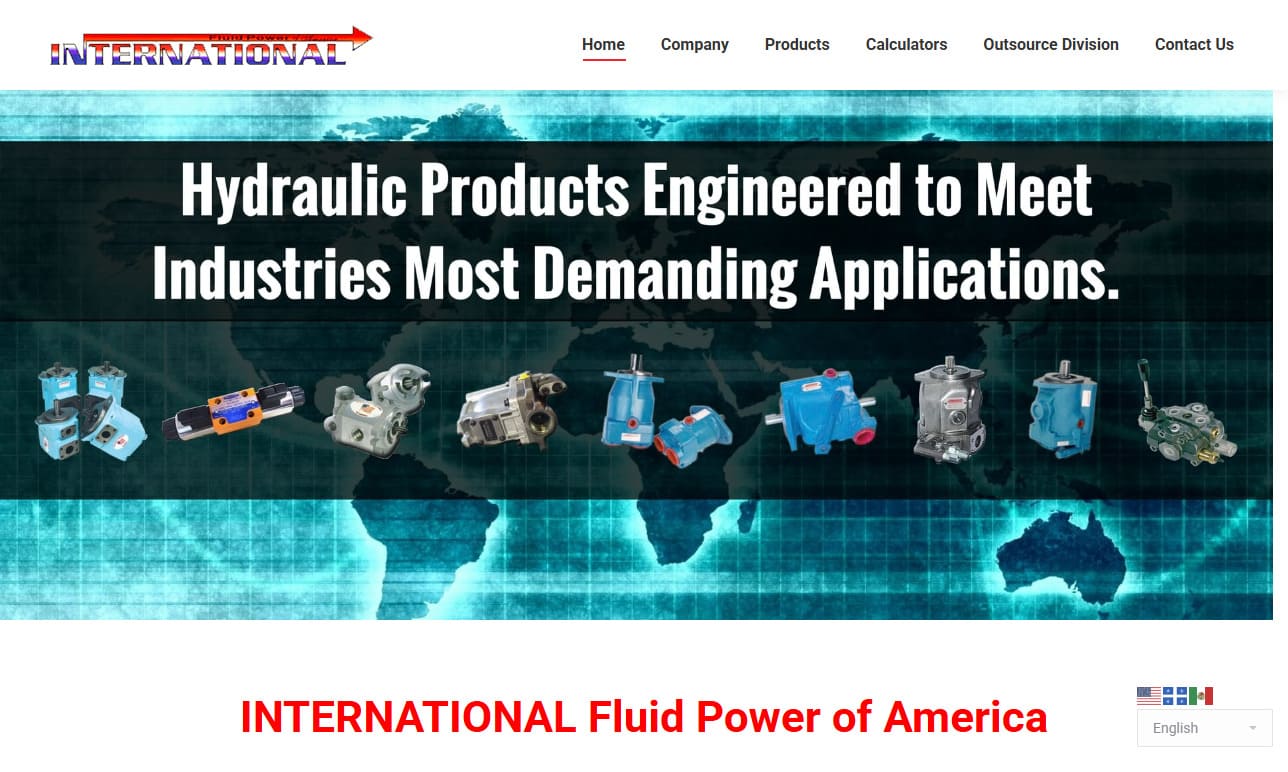
Founded in 1945, Spencer Fluid Power remains a value added distributor of hydraulic components and systems. Spencer Fluid Power continues to sell and support hydraulic components to a wide array of customer types. Small to large OEM's, timber, mining, construction and oil & gas are just a sample of the numerous industries Spencer supports today.


More Electric Hydraulic Valve Manufacturers
Types of Electric Hydraulic Valves
Servo Valves
Servo valves are high-end, precision hydraulic control valves engineered to deliver exceptional responsiveness and accuracy in demanding industrial automation and motion control applications. A servo valve typically features a spool overlap of at least 3% in the center position. In proportional hydraulic valves, the spool slides directly within the robust cast iron valve housing. In contrast, in servo valves, the spool moves inside a hardened steel bushing, which reduces wear and ensures consistent performance over time.
Electrohydraulic servo valves are essential for systems that require rapid, precise control of actuator position, velocity, or force. These valves are often used in closed-loop control systems where high dynamic response and minimal hysteresis are critical. If you are wondering "What are the main benefits of using servo valves in hydraulic systems?", consider their ability to maintain precise motion control under varying load conditions, making them ideal for aerospace, automotive testing, industrial robotics, and advanced manufacturing processes.

Pressure and Flow Control and Axis Control Valves
Digital control valves (DCVs) represent a significant advancement in electrohydraulic technology, offering extended control functionality beyond simple on/off operation. These valves provide precise axis control (ACV) and pressure/flow (pQ) regulation, making them indispensable in modern hydraulic systems. pQ valves, equipped with a spool position controller, allow for real-time adjustment of pressure and flow for a specific axis.
Axis control valves are engineered to perform position, speed, or force control for a single axis, such as a hydraulic cylinder, without requiring additional external controllers. These valves are commonly used in industrial machinery, automation lines, and custom hydraulic equipment where flexible, programmable control is essential. Are you seeking advanced hydraulic valve solutions for industrial automation? Consider digital control valves for optimal performance and integration with Industry 4.0 systems.

Electrical and Mechanical Feedback Valves
All proportional and servo valves rely on closed-loop spool position control, making spool position feedback a vital component of system accuracy and reliability. Two primary feedback mechanisms are used: mechanical and electrical.
- Mechanical Feedback (MFB) Valves: These valves utilize a feedback spring compressed by spool deflection, providing direct mechanical feedback to the torque motor. Mechanical feedback valves do not require onboard electronics, making them suitable for environments where electronics may be susceptible to interference or failure.
- Electrical Feedback (EFB) Valves: Employing electronic position transducers, these valves electronically measure and relay spool position. EFB valves require integrated control electronics, which are often built into the valve housing, eliminating the need for additional controller cards. Electrical feedback ensures higher accuracy and enables remote monitoring and diagnostics, which can be crucial in complex automation systems.
When evaluating which feedback mechanism best suits your application, ask yourself: "Do I need mechanical simplicity or enhanced electronic control and connectivity for my hydraulic system?"

Directly Operated Valves
Directly operated valves, sometimes referred to as direct-acting hydraulic valves, feature a spool that is mechanically and directly actuated by an electric actuator or solenoid. The actuator must overcome the fluid forces acting on the spool, which limits the size and operational flow rate of these valves. As a result, directly driven valves are best suited for applications with lower flow rates and pressures, such as precision laboratory equipment, small-scale automation, and integrated hydraulic systems where compactness and cost-effectiveness are key.
These valves are often powered by a Linear Force Motor, delivering fast, repeatable response in critical operations. When higher flow capacity or greater actuation force is required, pilot-operated valves are preferred. In pilot-operated valves, a smaller pilot valve hydraulically amplifies the electrical command signal, enabling the actuation of larger main valve spools and supporting much greater flow rates. This makes pilot-operated valves ideal for heavy industrial machinery, mobile hydraulics, and high-performance manufacturing environments.
If you are deciding between direct-acting and pilot-operated hydraulic valves, consider your required flow capacity, system complexity, and control precision. Need help choosing the right valve for your hydraulic application? Explore our comprehensive guides or consult with an expert today.
Nozzle Flapper Operated Valves
Nozzle flapper valves are a classic and widely used type of electrohydraulic servo valve, employing a torque motor to move a flat plate (the flapper) over a nozzle opening. This nozzle-flapper assembly acts as a displacement-type detector, converting minute mechanical movements into hydraulic pressure signals. By modulating the gap between the nozzle and the flapper, the valve produces a precisely controlled pressure differential, which is then used to actuate the main spool.
This high-gain mechanical amplification method underpins the operation of high-speed, high-accuracy industrial control systems. Nozzle flapper valves have been foundational in the evolution of pneumatic and hydraulic PID controllers, and they remain essential in modern industrial process control, aircraft flight control systems, and advanced manufacturing instrumentation.
Wondering "Where are nozzle flapper servo valves most effective?" These valves excel in applications demanding ultra-fine motion control, minimal deadband, and robust performance in demanding operational environments.

Applications and Benefits of Electric Hydraulic Valves
Electric hydraulic valves, also known as electrohydraulic valves, are essential components in a wide variety of industries and applications due to their precise control, rapid response, and integration capabilities with modern control systems. Their advanced design enables integration with PLCs, industrial IoT platforms, and other smart manufacturing technologies. Below, we highlight the key applications and the unique benefits associated with electric hydraulic valve technology.
- Blow Molding and Plastic Extrusion: In blow molding processes, electric hydraulic valves are used to precisely control the wall thickness of extruded plastic products. By integrating electronic feedback with position transducers and onboard electronics, these valves close the spool's position loop, enabling high-speed, high-accuracy control of material flow. This results in better product consistency, reduced material waste, and greater design flexibility for manufacturers.
- Aerospace and Aviation: In aerospace systems, such as FADEC-controlled turbofan engines, electric hydraulic servo valves precisely regulate fuel flow. Fly-by-wire aircraft utilize electric hydraulic valves coupled to hydraulic actuators for control surface manipulation. Here, signals from a flight control computer are translated into precise hydraulic movements, ensuring safe, reliable, and responsive aircraft operation under all flying conditions.
- Industrial Automation and Robotics: Servo and proportional valves are integral to test and simulation equipment, offshore and marine platforms, metal forming machinery, woodworking, and plastics processing. Their ability to deliver programmable, closed-loop motion control makes them indispensable for smart factories, robotics, and automated assembly lines.
- Paper and Steel Manufacturing: In paper mills and steel plants, electric hydraulic valves control the thickness and quality of both paper and sheet steel. These valves also regulate auxiliary operations in plastic injection molding equipment and ensure precise fuel injection in marine diesel engines. On offshore oil platforms, electric hydraulic valves maintain platform stability and safety, even in harsh and unpredictable conditions.
- Precision Control under Dynamic Loads: Many applications require maintaining control over complex structures exposed to shifting loads. Electric hydraulic valves excel in these challenging environments, offering reliable, repeatable control for systems such as construction equipment, mobile hydraulics, and advanced testing rigs.
Key Benefits of Electric Hydraulic Valve Technology
- High Precision and Repeatability: Closed-loop feedback systems enable accurate control of position, speed, and force, ensuring consistent performance in demanding applications.
- Fast Dynamic Response: Electric hydraulic valves deliver rapid actuation and minimal lag, essential for high-speed automation, flight control, and real-time industrial processes.
- Integration with Digital Control Systems: Modern valves support connectivity with PLCs, SCADA, and industrial IoT platforms, enabling predictive maintenance, remote monitoring, and advanced process optimization.
- Reduced Downtime and Maintenance: Advanced diagnostics and robust construction minimize downtime, extend service life, and lower total cost of ownership.
- Energy Efficiency: Optimized control reduces energy consumption in hydraulic systems, supporting sustainability goals and reducing operational costs.
- Versatility: Suitable for a wide range of fluids, pressures, and environments, electric hydraulic valves can be tailored to meet the specific requirements of virtually any industry.
Common Use Cases for Electric Hydraulic Valves
- Automated assembly lines and robotic arms
- Injection molding and extrusion machinery
- Metal forming presses and CNC machines
- Aircraft flight control and automotive test rigs
- Mobile equipment, such as cranes and excavators
- Marine and offshore oil platform stabilization
- Renewable energy systems and wind turbine pitch control
Industry-Specific Considerations
When selecting electric hydraulic valves for your application, consider the unique challenges and regulatory requirements of your industry. For example, aerospace and defense sectors require compliance with stringent reliability and safety standards, while food and pharmaceutical industries demand valves that meet strict hygiene and contamination control guidelines. In hazardous or explosive environments, choose valves with appropriate certifications and fail-safe features.
Are you evaluating the best electric hydraulic valve for your specific industry or project? Explore our in-depth industry guides or ask our experts for tailored recommendations based on your operational needs, safety requirements, and performance goals.
Choosing the Correct Electric Hydraulic Valve Supplier
Selecting the right electric hydraulic valve supplier is a critical step in ensuring optimal system performance, reliability, and cost-effectiveness. The market offers a diverse range of manufacturers and distributors, each specializing in different types of hydraulic valves, from servo and proportional valves to direct-acting and pilot-operated designs. To maximize your investment and minimize downtime, follow these key steps when sourcing electric hydraulic valves:
- Define Your Application Requirements: Identify the required flow rate, pressure, control method (proportional, servo, on/off), feedback mechanism, and operational environment. Consider factors such as fluid compatibility, temperature range, electrical interface, and safety certifications.
- Compare Multiple Suppliers: Use our comprehensive directory of electric hydraulic valve suppliers to compare offerings, review company profiles, and evaluate areas of expertise. Our patented website previewer lets you quickly assess each supplier’s specialization, product range, and support capabilities.
- Request Detailed Information and Quotes: Use our easy RFQ (Request for Quote) form to contact multiple electric hydraulic valve companies with a single inquiry. This streamlines the evaluation process and ensures you receive competitive quotes and tailored technical information.
- Verify Quality and Support: Look for suppliers who offer robust technical support, training, spare parts availability, and after-sales service. Certifications such as ISO 9001, CE, UL, or ATEX may be crucial for your application.
- Evaluate Total Cost of Ownership: Beyond purchase price, assess long-term maintenance, energy efficiency, diagnostics capabilities, and the supplier’s warranty and upgrade policies.
Questions to Ask When Sourcing Electric Hydraulic Valves
- What is the expected lifespan and maintenance schedule for the valve?
- Can the valve be integrated with my existing PLC or DCS system?
- Does the supplier provide application engineering or on-site support?
- What certifications or regulatory compliance does the valve meet?
- How quickly can spare parts or replacements be shipped?
Are you ready to streamline your purchasing process for electric hydraulic valves? Contact our vetted suppliers today or request a quote now to compare options and receive customized recommendations for your specific hydraulic control needs.
FAQs: Electric Hydraulic Valves
What are electric hydraulic valves and how do they work?
Electric hydraulic valves, also called electrohydraulic valves, combine electrical control with hydraulic actuation. They receive an electrical signal (from a PLC, computer, or manual controller), which is converted into a precise movement of a spool or poppet inside the valve. This movement regulates the flow, pressure, and direction of hydraulic fluid, enabling programmable and automated control of machines and processes.
What is the difference between proportional and servo hydraulic valves?
Proportional hydraulic valves allow for variable control of flow and pressure, responding to input signals in a linear, proportional manner. Servo hydraulic valves, on the other hand, offer even greater precision and dynamic response, often employing closed-loop feedback systems to achieve ultra-accurate motion control in high-performance applications.
How do I choose between mechanical and electrical feedback for my valve?
Mechanical feedback valves offer simplicity and ruggedness, suitable for environments where electronics may be problematic. Electrical feedback valves provide higher accuracy, allow for remote diagnostics, and are better suited for integration with modern control systems.
What industries benefit most from electric hydraulic valves?
Industries such as aerospace, automotive manufacturing, plastics processing, metalworking, energy, and industrial automation rely on electric hydraulic valves for their high precision, reliability, and ability to integrate with advanced control systems.
Can electric hydraulic valves be retrofitted into existing hydraulic systems?
In many cases, yes. Retrofitting depends on compatibility with system pressure, flow requirements, and available electrical control infrastructure. Consult with suppliers or system integrators for a detailed retrofit assessment.
 Hydraulic Cylinders
 Hydraulic Lifts
 Hydraulic Motors
 Hydraulic Presses
 Hydraulic Pumps
 Hydraulic Seals
 Hydraulic Valves
 Castings & Forgings
 Bulk Material Handling
 Electrical & Electronic Components
 Flow Instrumentation
 Hardware
 Material Handling Equipment
 Metal Cutting Services
 Metal Forming Services
 Metal Suppliers
 Motion Control Products
 Plant & Facility Equipment
 Plant & Facility Supplies
 Plastic Molding Processes
 Pumps & Valves
 Recycling Equipment
 Rubber Products & Services